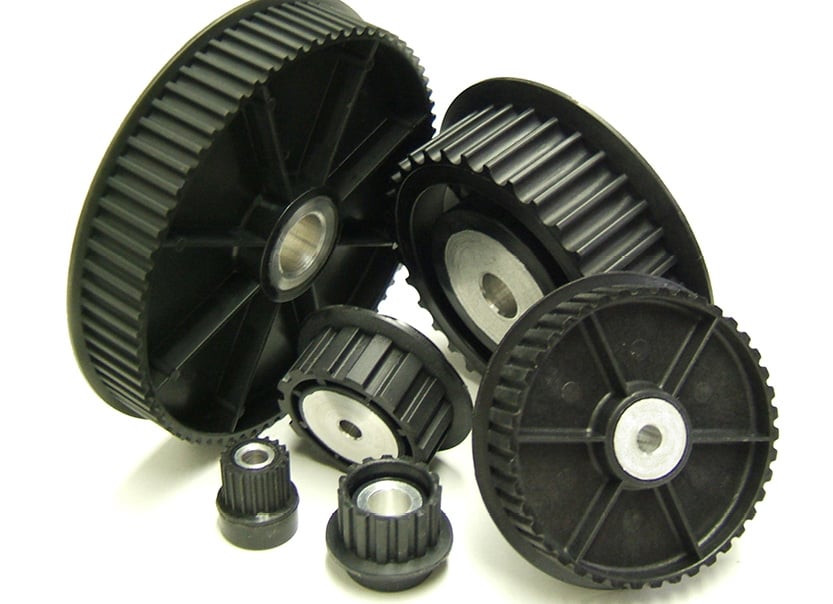
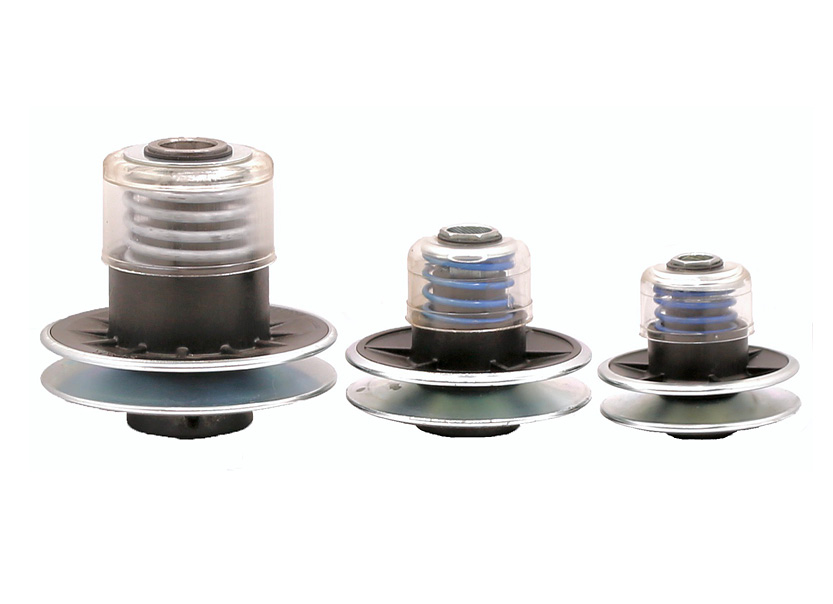
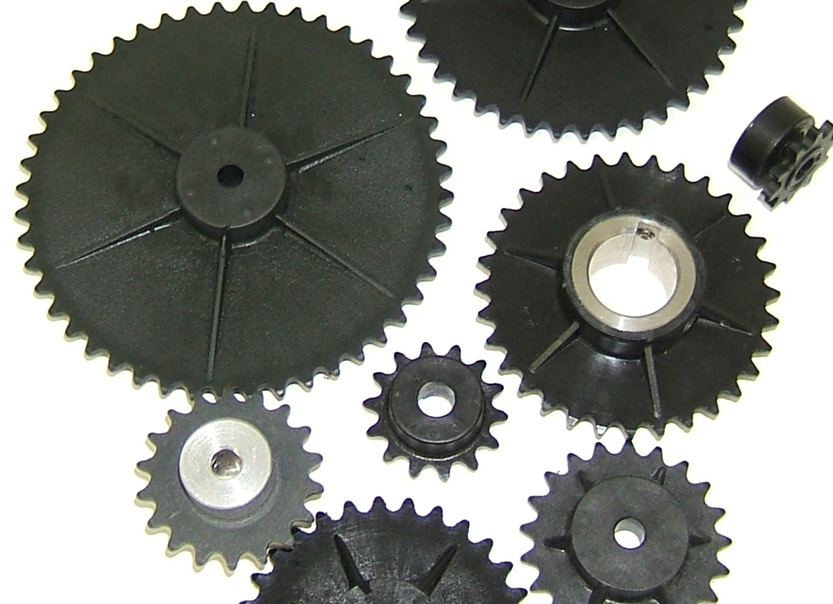
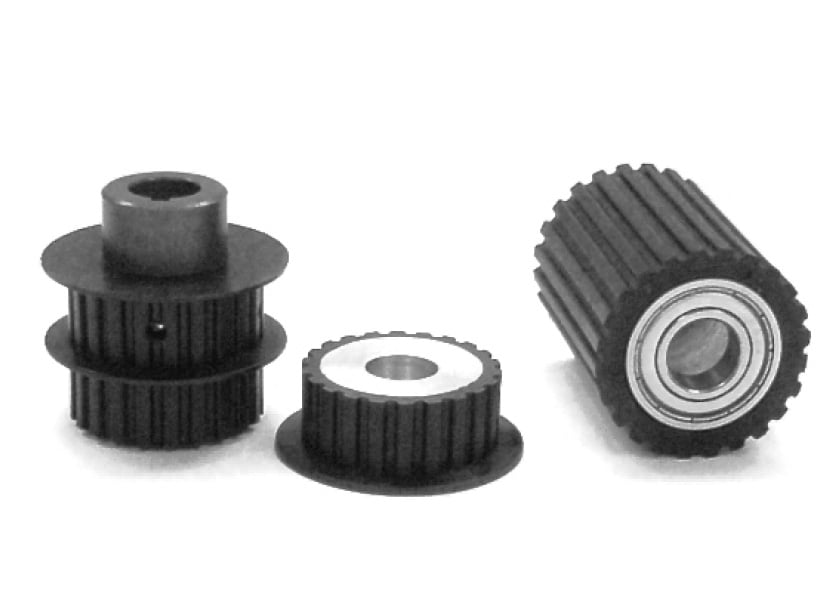
At Torque Transmission, we are experts in the design and manufacture of high-quality pulley systems engineered for a vast array of industrial applications. Pulleys are fundamental mechanical components, often referred to as an essential device that makes lifting and power transmission easier. Sheaves, which are grooved wheels that carry belts or cables, play a crucial role in belt and pulley systems by transmitting power and providing mechanical advantage. Pulleys rotate around an axle, which serves as the central shaft enabling smooth rotation. In addition to pulleys, gears are also used in machinery to transfer and adjust rotational motion and speed, with both components offering unique advantages in mechanical systems. Our commitment to precision, durability, and performance makes us a trusted partner for businesses seeking reliable power transmission solutions.

The Versatility of Our Pulley Systems

Our extensive selection of pulleys is designed to meet diverse operational demands. We understand that effective pulley systems are critical to the smooth and efficient operation of machinery across countless industries. From simple idler pulleys that guide belts to complex multi-groove configurations that drive sophisticated machinery, the form or arrangement of pulleys and ropes in these systems determines their mechanical advantage and efficiency. A combination of fixed and movable pulleys is often used to create compound systems, maximizing lifting power. To build these systems for specific applications, engineers and technicians assemble components such as pulleys and blocks, especially in block and tackle arrangements. Our products are built to last and perform consistently, supporting both the assembly and ongoing operation of these systems. Pulleys have played a vital role in building large structures throughout history and continue to be essential in modern construction projects. We offer a variety of materials, including robust metals and lightweight, high-strength plastics, and our timing pulleys feature teeth that engage with belts for precise movement control, allowing us to cater to specific environmental and performance requirements.

How Pulleys Work

Pulleys are classic examples of simple machines that make lifting heavy objects much easier by changing the direction of the applied force and providing a mechanical advantage. At their core, pulleys consist of a wheel with a groove around its edge, over which a rope, cable, or chain is looped. When you pull on one end of the rope, the wheel turns, and the load attached to the other end is lifted. This basic mechanism allows a small force to move a much heavier weight, making pulleys indispensable in countless applications.

There are two main types of pulleys: fixed pulleys and movable pulleys. A fixed pulley has its wheel attached to a stationary point, such as a ceiling or frame. With a fixed pulley, the direction of the force needed to lift the load is changed—you pull down on the rope to lift the weight up—but the force required is equal to the weight of the object. In contrast, a movable pulley is attached directly to the load itself. This arrangement means the pulley moves with the load, and the force needed to lift the weight is reduced by half, as the load is supported by two sections of rope. The tension in each supporting rope is equal, so the effort required is divided, providing a clear mechanical advantage.

For even greater efficiency, compound pulleys—also known as block and tackle systems—combine multiple wheels and ropes. By increasing the number of supporting rope sections, the force needed to lift heavy objects is further reduced. For example, if a pulley system has four supporting ropes, the force required to lift the load is only a quarter of the weight. This principle allows workers to lift massive weights with relatively little effort, simply by increasing the number of wheels and ropes in the system.

The effectiveness of a pulley system depends on how the ropes are looped and how many sections are supporting the load. The more supporting sections, the greater the mechanical advantage, and the less force is needed to lift the object. This is why pulleys are so widely used in construction, manufacturing, and everyday life—whether it’s raising a flag, hoisting a sail, or operating an elevator, pulleys make the job easier and more efficient.

Beyond lifting, pulleys also play a crucial role in transmitting power. By connecting pulleys with belts or cables, power can be transferred from one shaft to another, allowing machines to operate smoothly and efficiently. This ability to transmit energy and motion over a distance is essential in many mechanical systems, from conveyor belts to automotive engines.

In summary, pulleys work by redistributing forces, changing the direction of applied effort, and providing a mechanical advantage that makes lifting and moving heavy objects possible with much less effort. Their versatility and efficiency make them a foundational element in the design of machines and mechanisms across all industries. Understanding how pulleys work helps us appreciate the ingenuity behind these simple yet powerful devices that shape our everyday lives.

Engineered for Optimal Performance and Mechanical Advantage

Every pulley and pulley system from Torque Transmission is a testament to our engineering excellence. We focus on critical factors such as groove design, bore tolerance, and material integrity to ensure maximum efficiency and extended service life. The diameters of our pulleys are carefully engineered, as pulley diameters directly influence drive ratios and overall system performance. Our manufacturing processes adhere to stringent quality control standards, resulting in components that minimize friction, reduce wear on belts, and deliver consistent torque transfer. The length and lengths of belts or ropes used are also crucial, as they help support the load and achieve the desired mechanical advantage. During operation, the rope or belt shortens on one side as the load is lifted, illustrating the relationship between pulling distance and mechanical advantage. We utilize high-quality materials, including cord as an alternative to rope or cable, to ensure durability in all pulley systems. The mass of the object being lifted directly affects the force required, making proper design essential for optimal performance. Multiple rope or belt sections are used to support the load and distribute force, enhancing reliability. Analyzing tension T in the ropes or belts is also essential to ensure optimal force and torque transfer throughout the system. This meticulous attention to detail ensures that our pulley systems contribute directly to the reliability and longevity of your equipment, ultimately reducing downtime and maintenance costs.

Custom Movable Pulley Systems for Unique Applications

While we offer a wide range of standard pulleys, Torque Transmission truly excels in developing custom pulley systems. Many industrial applications have unique constraints or performance goals that off-the-shelf solutions cannot fully address. Our experienced engineering team works closely with clients to design and manufacture bespoke pulley solutions, creating systems tailored to meet specific requirements by optimizing dimensions, materials, and configurations to perfectly match your specific machinery and operational environment. These custom systems can be engineered to allow users to lift loads that exceed their own weight, providing significant mechanical advantage. Whether you need a specialized timing pulley for precise synchronization, a durable V-belt pulley for heavy-duty applications, or a unique idler for space-constrained designs, we have the capabilities to deliver.

Beyond the Component: Comprehensive Compound Pulleys Solutions

When you choose Torque Transmission, you’re not just getting a component; you’re gaining access to comprehensive pulley systems expertise. We can help you select the ideal pulley type for your application, whether it’s for power transmission, speed reduction, or mechanical advantage. By configuring the rope looped around pulleys and using the same rope in multiple supporting sections, you can maximize the mechanical advantage of your system. When operating the system, pulling on the rope generates a pulling force that allows users to raise and lift weights efficiently. The gain in force achieved through the pulley system comes with a trade-off: the distance gained by pulling the rope increases as the effort required decreases. Multiple rope supporting sections distribute the load, making lifting heavy objects easier. The principles behind pulley systems involve the moment generated in pulleys, similar to the moment in a lever, and both are classic examples of a simple machine. Our knowledge extends to recommending compatible belts and other components to ensure your entire drive system operates harmoniously. Contact us to achieve superior performance, reduce operational costs, and drive innovation within your industry.


Need a Custom Pulley Solution?

Pulleys on our Blog